
Testosterone, Libido, and Wellness: What the Research Actually Says
Testosterone affects desire in people of all genders, but the relationship is more nuanced than popular culture suggests. Here's the evidence.
Affiliate Disclosure: This post may contain links to products on Amazon.ca. As an Amazon Associate we earn from qualifying purchases at no extra cost to you. Product recommendations are based on our editorial assessment; affiliate relationships do not influence our reviews or recommendations.
Testosterone is often discussed as if it were a simple on/off switch for sexual desire — high testosterone means high libido, low testosterone means low libido. The reality is considerably more complex, and understanding the nuance can help people make more informed decisions about their sexual wellness.
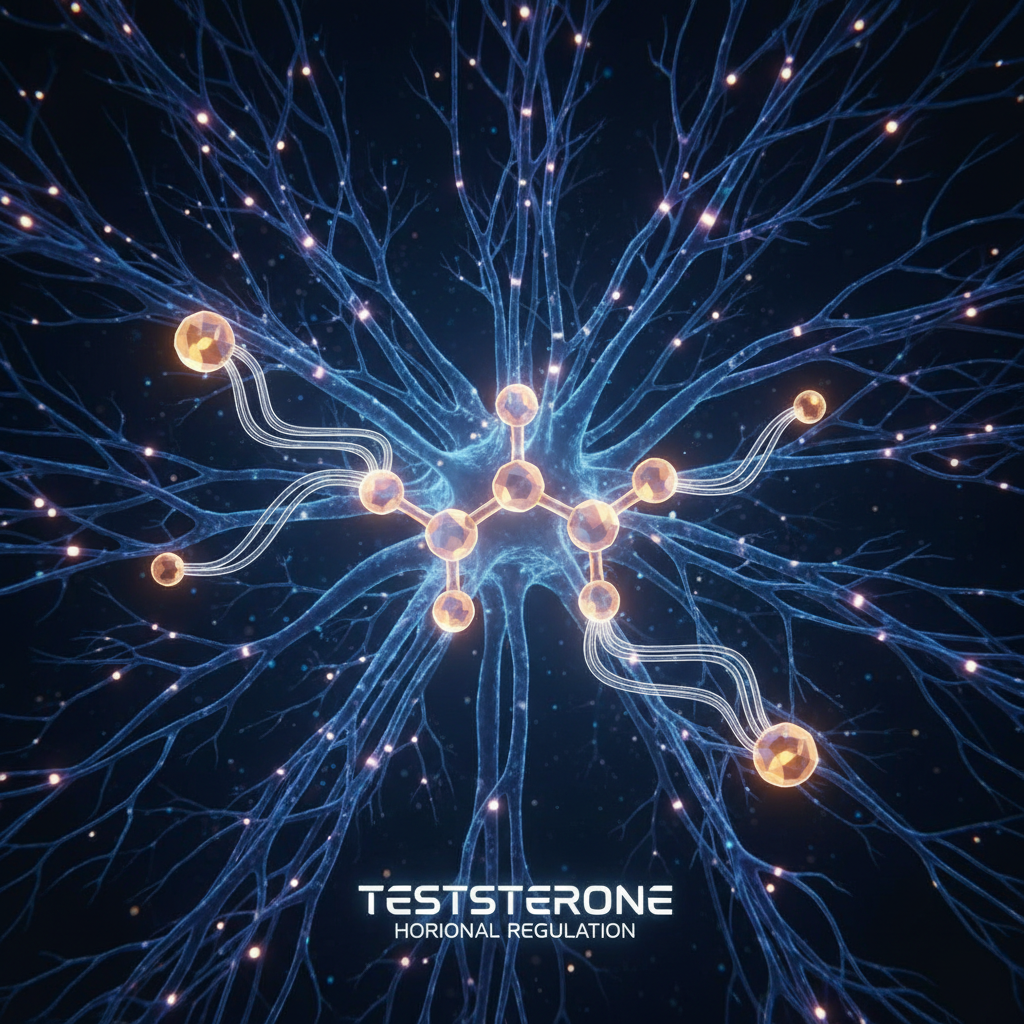
Testosterone is produced in the testes, ovaries, and adrenal glands, and plays a role in libido for people of all genders. In people with ovaries, testosterone levels are much lower than in people with testes, but the hormone is no less important for desire. Research consistently shows that testosterone within the normal range for one's biology is associated with healthy sexual interest.
However, the relationship between testosterone levels and subjective desire is not linear. Many people with clinically low testosterone report normal libido, while some with normal levels report low desire. Psychological factors — stress, relationship quality, body image, mental health — often have a greater impact on day-to-day desire than hormone levels.
Lifestyle factors that support healthy testosterone levels include regular resistance exercise, adequate sleep (7–9 hours), stress management, and maintaining a healthy body weight. These are not guarantees, but they create the physiological conditions in which hormonal balance is most achievable.
If you're concerned about low libido, a conversation with your family doctor or a sexual health specialist is the appropriate first step. Blood tests can identify hormonal imbalances, and there are evidence-based treatments available. Self-diagnosing and self-treating with over-the-counter supplements is rarely effective and occasionally harmful.